




Pouring cider is not just pouring a liquid into a glass: it is a centuries-old Asturian ritual that seeks to break the natural gas of the cider and release all its aromas by pouring from above. The difference between a mediocre culín and a perfect one lies in the technique: temperature, height, glass, and serving rhythm. Here we explain how to do it well, step by step.
The correct cider temperature
Asturian natural cider is poured and drunk fresh, but not ice cold: it is usually served between 10 and 13 °C. If it is too cold, the pour barely generates needle or foam and the aromas are lost; if it is too warm, the cider tastes flat and less pleasant. The ideal is to take it out of the fridge or a cooler just before serving each round, without leaving the bottle open too long between culíns.
The right glass: the culín
The cider is always poured into a wide, low glass, slightly bulging, known as a culín or cider glass. Its wide mouth helps the cider break against the walls as it falls and generate the characteristic foam, and its small size—usually between 30 and 50 ml of liquid served—requires frequent pouring, which keeps the cider always fresh and freshly oxygenated with each sip.
The posture and arm height: how the needle is formed
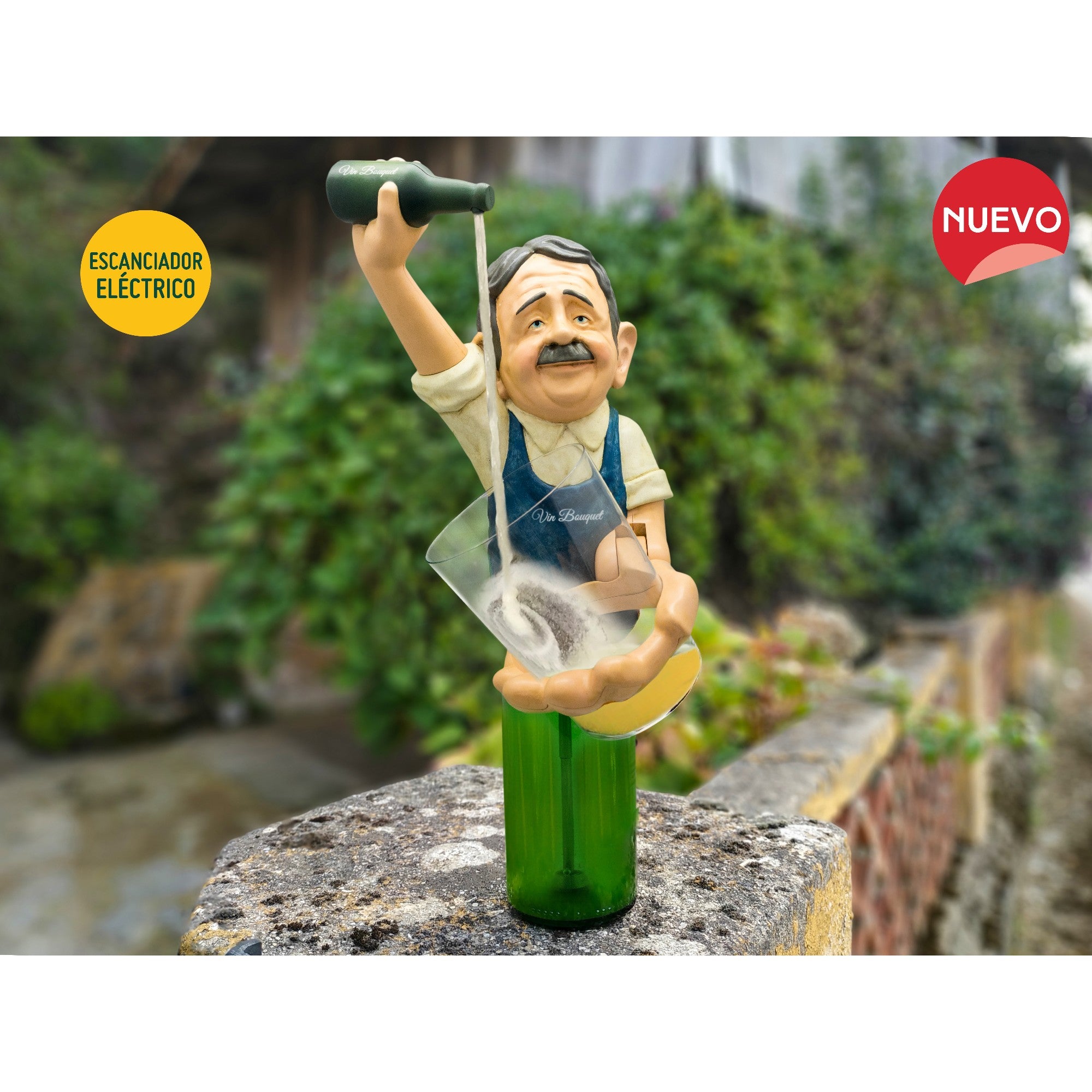
The technical key to pouring is the height from which the stream falls. The pourer holds the bottle with the arm extended above the head, while the glass is held with the other hand below, at hip height or a little lower. The greater the distance between the bottle’s mouth and the glass, the more force the cider gains as it falls and the finer and straighter the so-called "needle" comes out: the narrow, continuous stream that, when it hits the bottom or wall of the glass, releases the carbon dioxide and forms the foam.
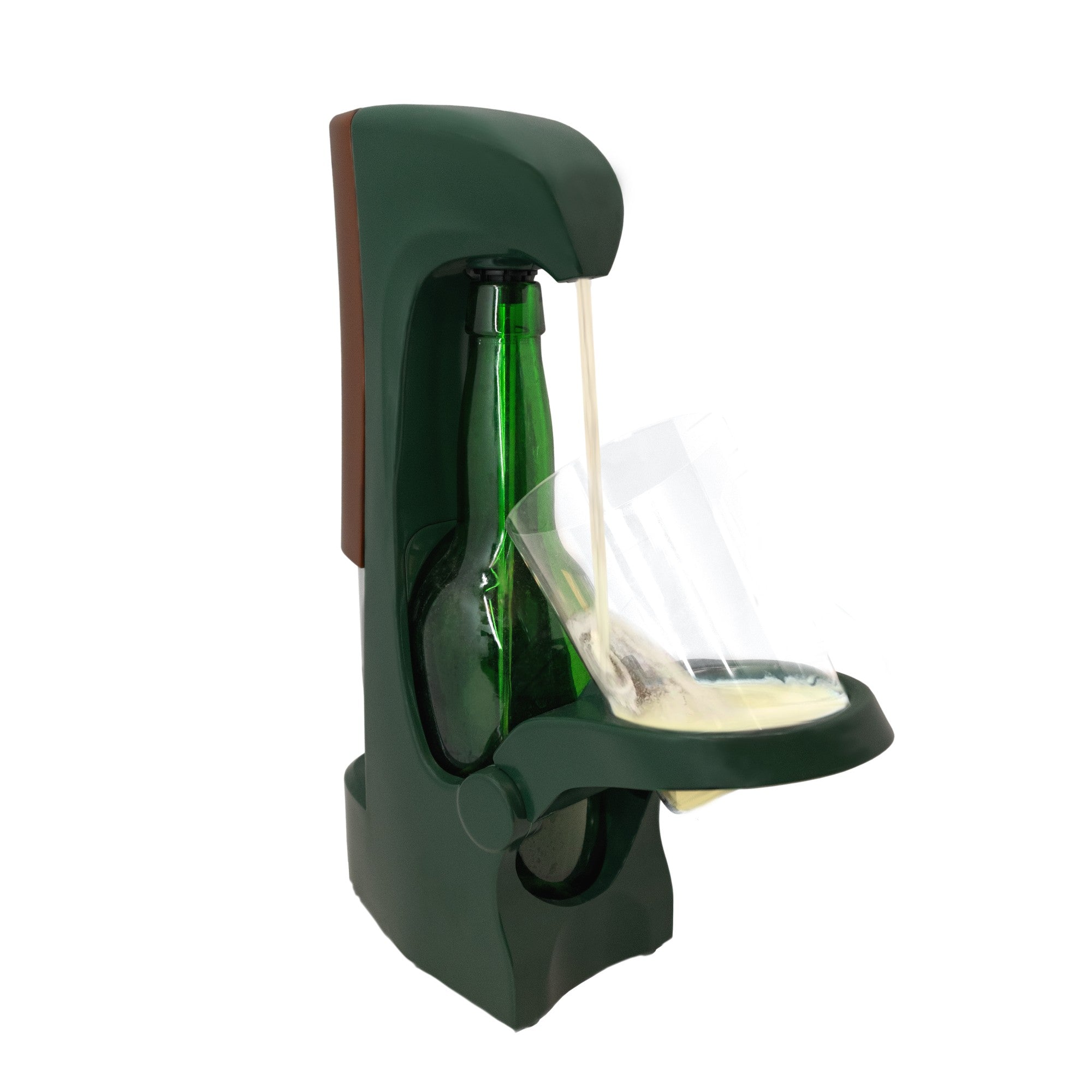
The glass is tilted slightly so that the stream hits the wall instead of falling straight down to the bottom, which reduces splashes and helps distribute the foam better. It is a gesture that requires practice and steady hands because you have to keep your aim without looking directly at the stream all the time.
The amount of the culín and why it is drunk in one gulp
A culín is a small serving, barely two or three fingers of the glass. It’s no coincidence: poured cider starts losing its carbonation and aromas as soon as it contacts air, so the traditional Asturian rule is to drink it all at once, immediately after serving, and not let it rest. What’s left in the glass—usually a symbolic culín at the bottom—is poured onto the floor, a gesture called "echar la espicha" that serves to clean the glass of any residue before the next serving.
Manual pouring and assisted pouring: the difference in technique
There are two ways to pour:
Manual pouring (traditional): done by holding the bottle with the arm raised and the glass with the arm lowered, estimating the distance, angle, and rhythm of the stream by feel. It’s the classic technique, learned by practice (and spilling cider) until you get the exact height and tilt.
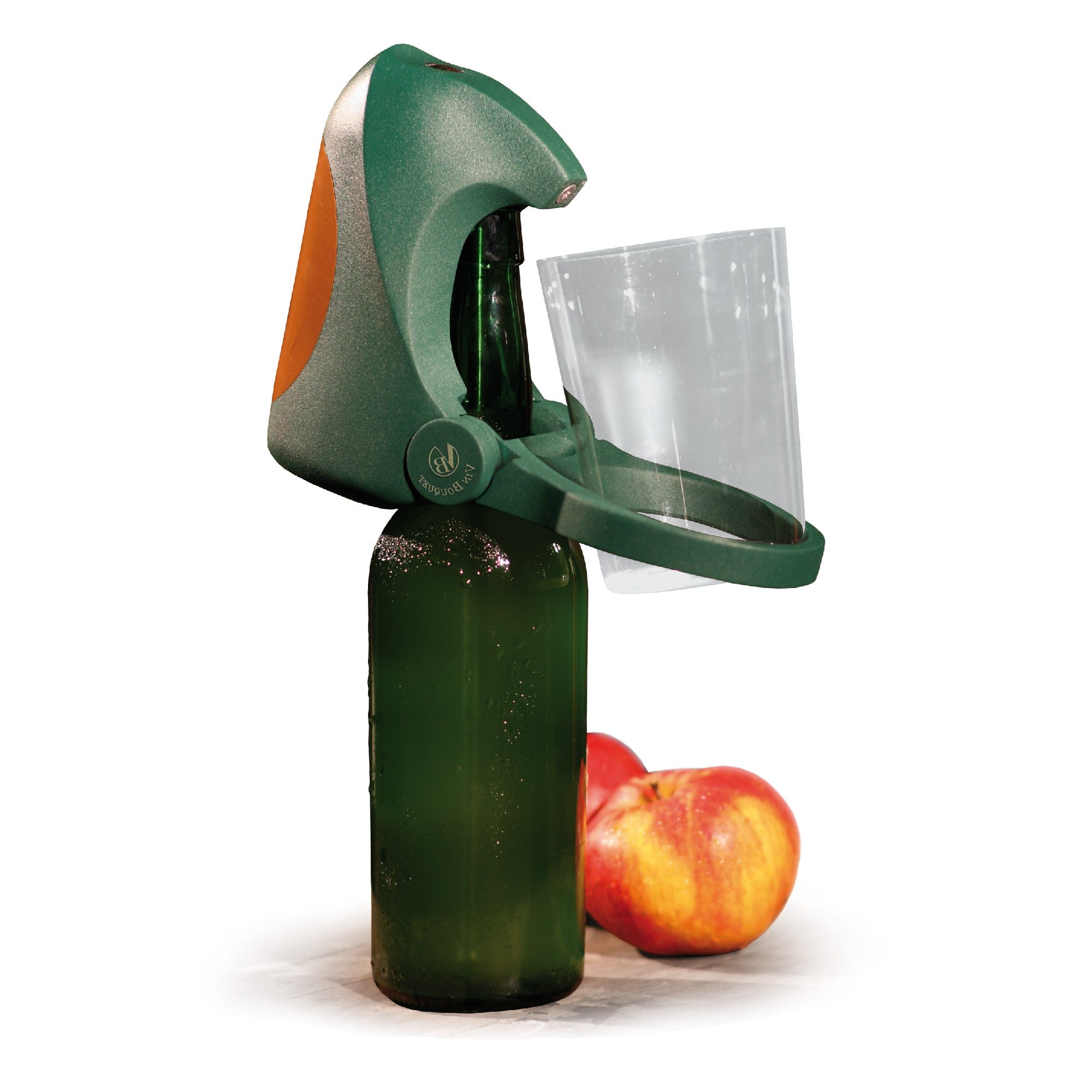
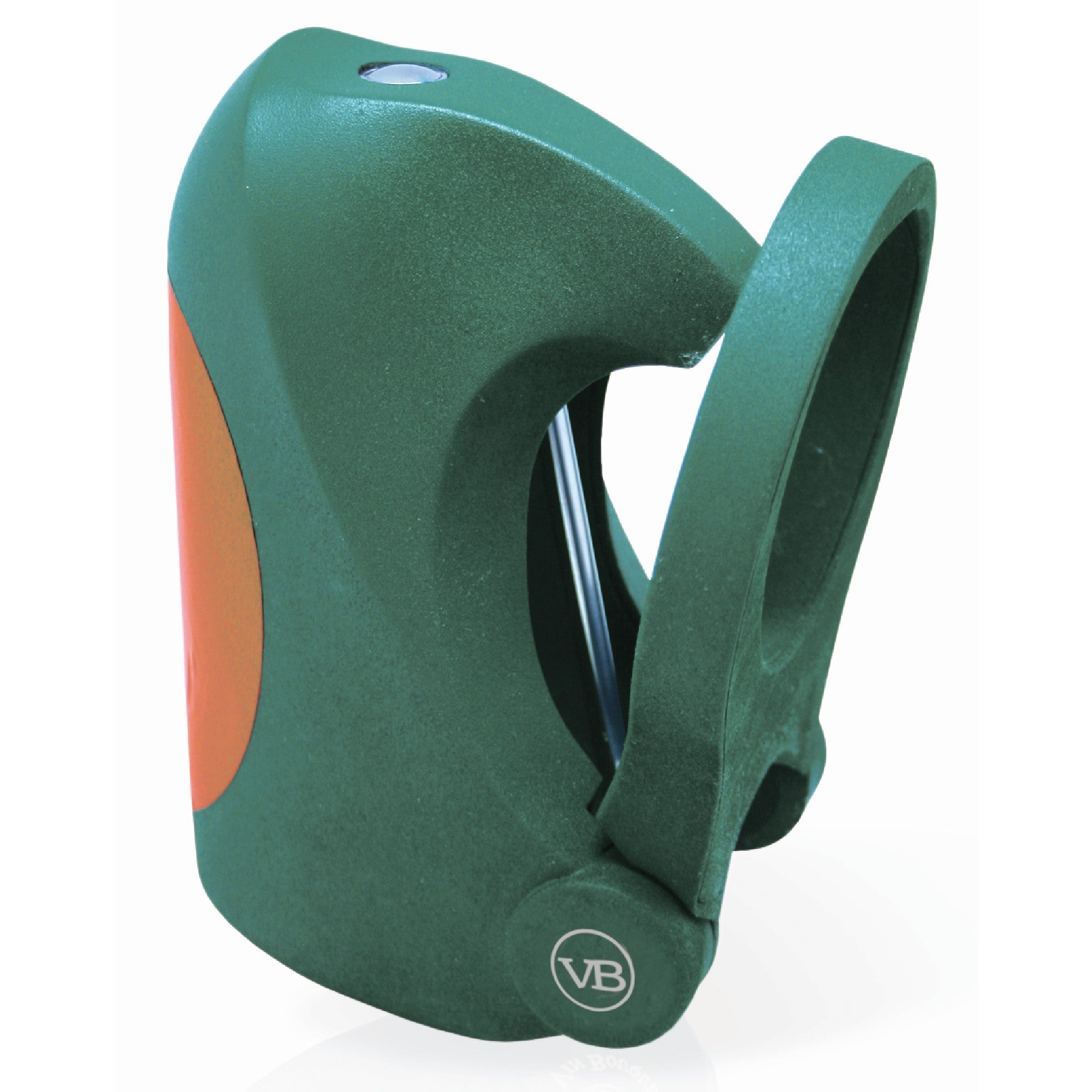
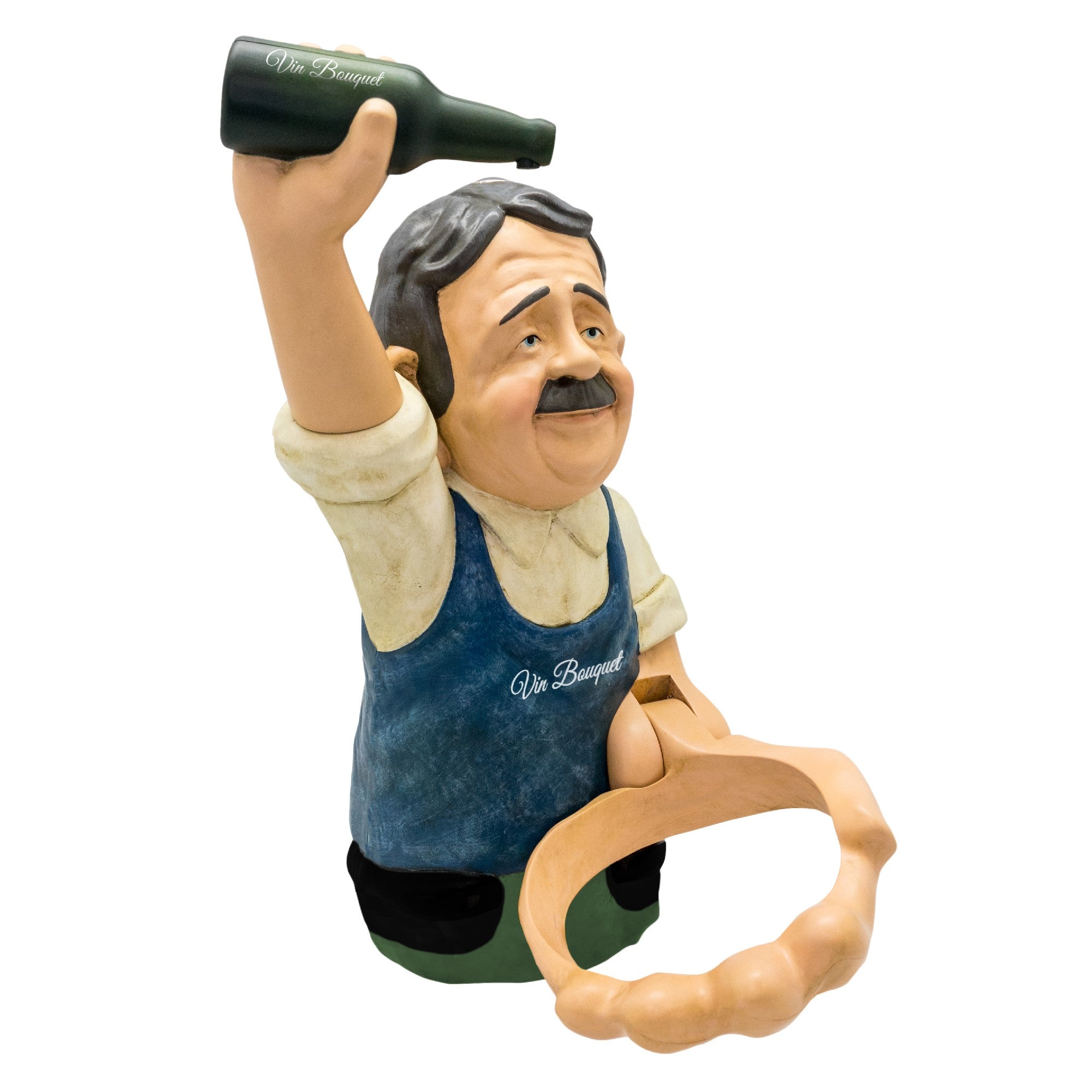
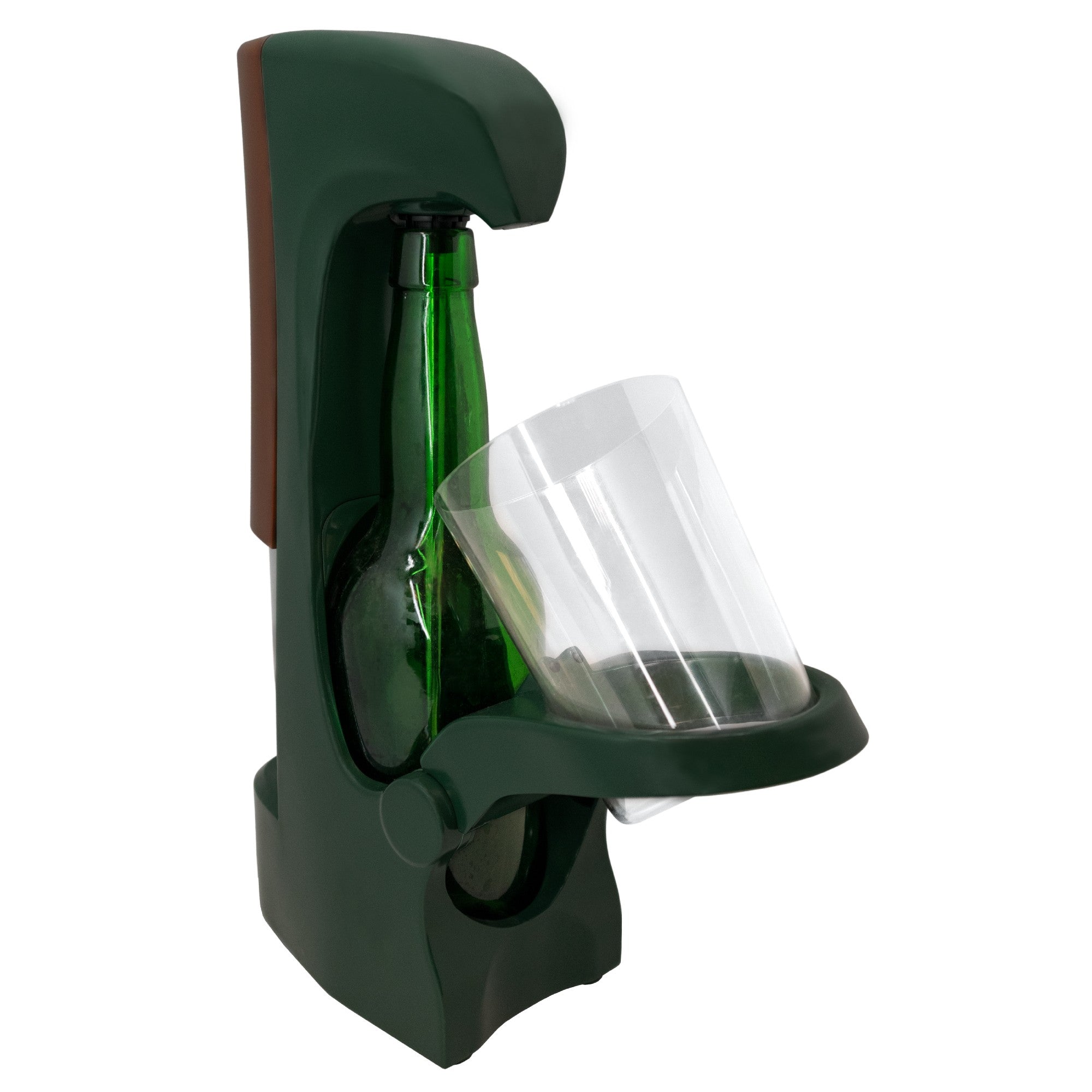
Assisted pouring (with device): mechanical or electric pourers replicate the same principle—the stream falling from a controlled height—but mechanically fix the distance and angle, so anyone can get a consistent needle without needing to practice the gesture. The cider still breaks against the glass and generates foam; what changes is that the mechanism controls the arm’s pulse and aim instead of the hand. If you don’t have a pourer yet and want to compare the different available models (manual and electric), you can check our cider pourer guide.
Common pouring mistakes
- Pouring from too low a height: the stream doesn’t gain strength, the needle doesn’t form, and the cider barely foams or releases aroma.
- Serving the cider too cold or too warm: in both cases, part of the foam and aromatic nuances are lost.
- Letting the small serving rest before drinking it: cider loses its carbonation in seconds; you have to drink it as soon as it is poured.
- Not pouring the espicha between small servings: reusing the glass without discarding the rest causes sediment to accumulate and the next small serving to lose freshness.
- Using an inappropriate glass: tall, narrow glasses, like tubes, do not help break the stream against the wall or create foam.
- Pouring the bottle without rhythm: pouring spaced out and in small amounts keeps the cider lively; serving large portions all at once makes it go flat much sooner.
Cleaning the cider pourer after use
Whether pouring manually or using a device, it’s best to rinse the spout and cider path well immediately after use so that sugar residues and sediment don’t dry or stick. For models with removable parts, separate them to wash with lukewarm water and mild soap, avoiding abrasive products that could damage mechanisms or finishes. Dry thoroughly before storing so the pourer is ready and in good condition for the next pour.
Frequently asked questions about how to pour cider
How is the stream formed when pouring cider?
Hold the bottle with your arm raised and the glass with your arm lowered, letting the stream fall from the maximum distance you can control. The higher the pour, the more force the cider gains, and the finer and straighter the stream is as it breaks against the glass wall, releasing gas and forming foam.
Why is the last sip drunk in one gulp?
Because poured cider starts to lose gas and aroma as soon as it hits the glass. The traditional Asturian rule is to drink it immediately after serving, without letting it rest, to enjoy it at its best.
At what temperature should cider be served when pouring?
It is usually served chilled, between 10 and 13 °C. If it’s too cold, it barely produces foam or aroma, and if it’s too warm, it tastes flat.
How do you clean a cider pourer after use?
Rinse the spout and cider path immediately after use, disassemble any removable parts, and wash them with lukewarm water and mild soap, avoiding abrasive products. Dry thoroughly before storing.
What is the difference between pouring by hand and with a mechanical pourer?
Both are based on the same principle: letting the stream fall from a controlled height to break it against the glass. In manual pouring, the distance and angle are controlled by the hand itself; in assisted pouring, a mechanism sets that distance and angle, making it easier to achieve a consistent stream without practicing the gesture.
🍏 Looking for a cider pourer to practice the technique?
Check out our comparative model guide or discover the entire collection, designed in Asturias.
See all cider pourers →


